What Is Target Shooting?
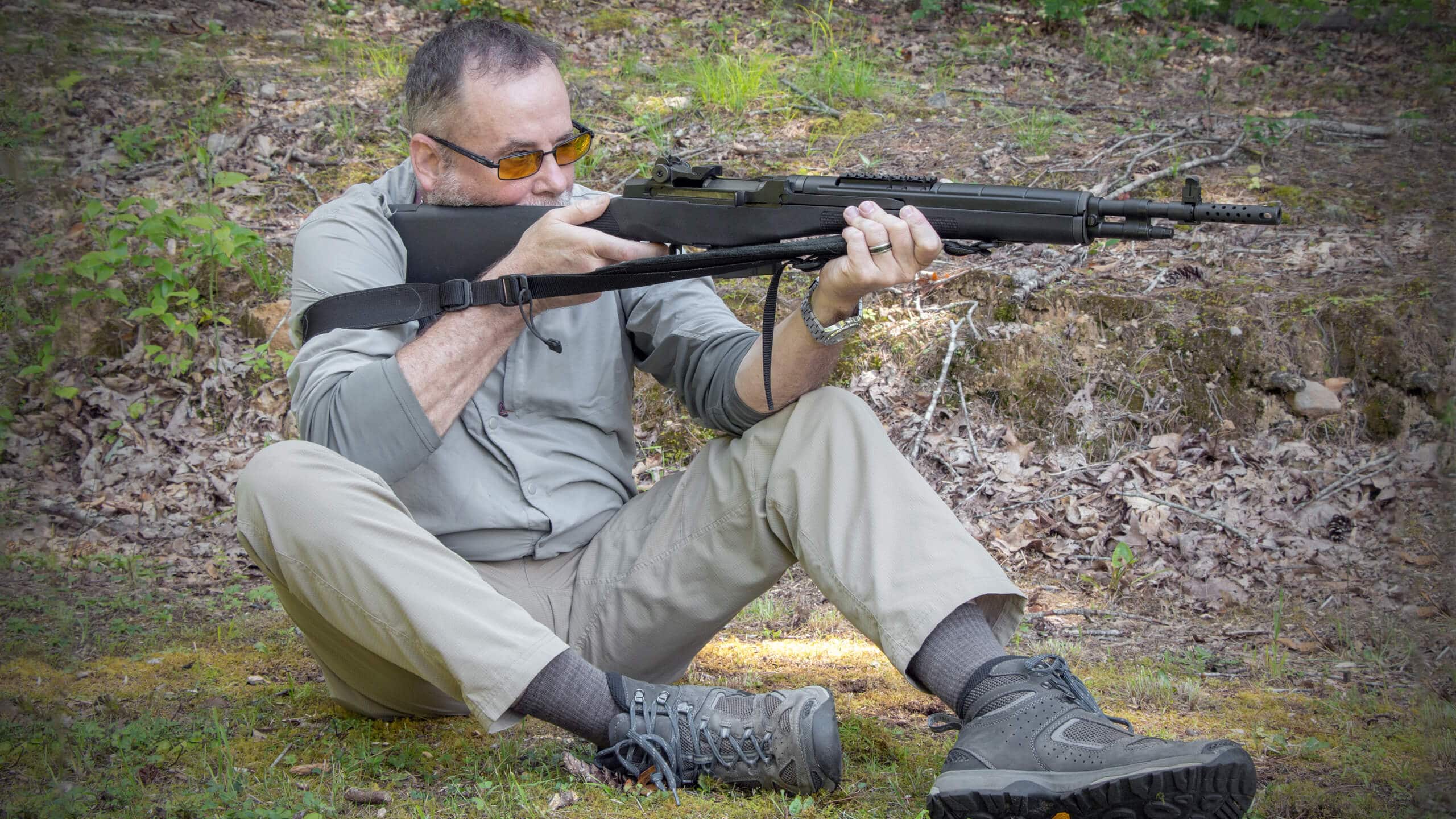
Target shooting is a precision-based discipline focused on hitting fixed (or occasionally moving) targets with maximum accuracy using air guns, pistols, or rifles. It builds excellent fundamentals: control, focus, discipline and consistency — making it one of the safest and most rewarding ways to learn shooting skills.
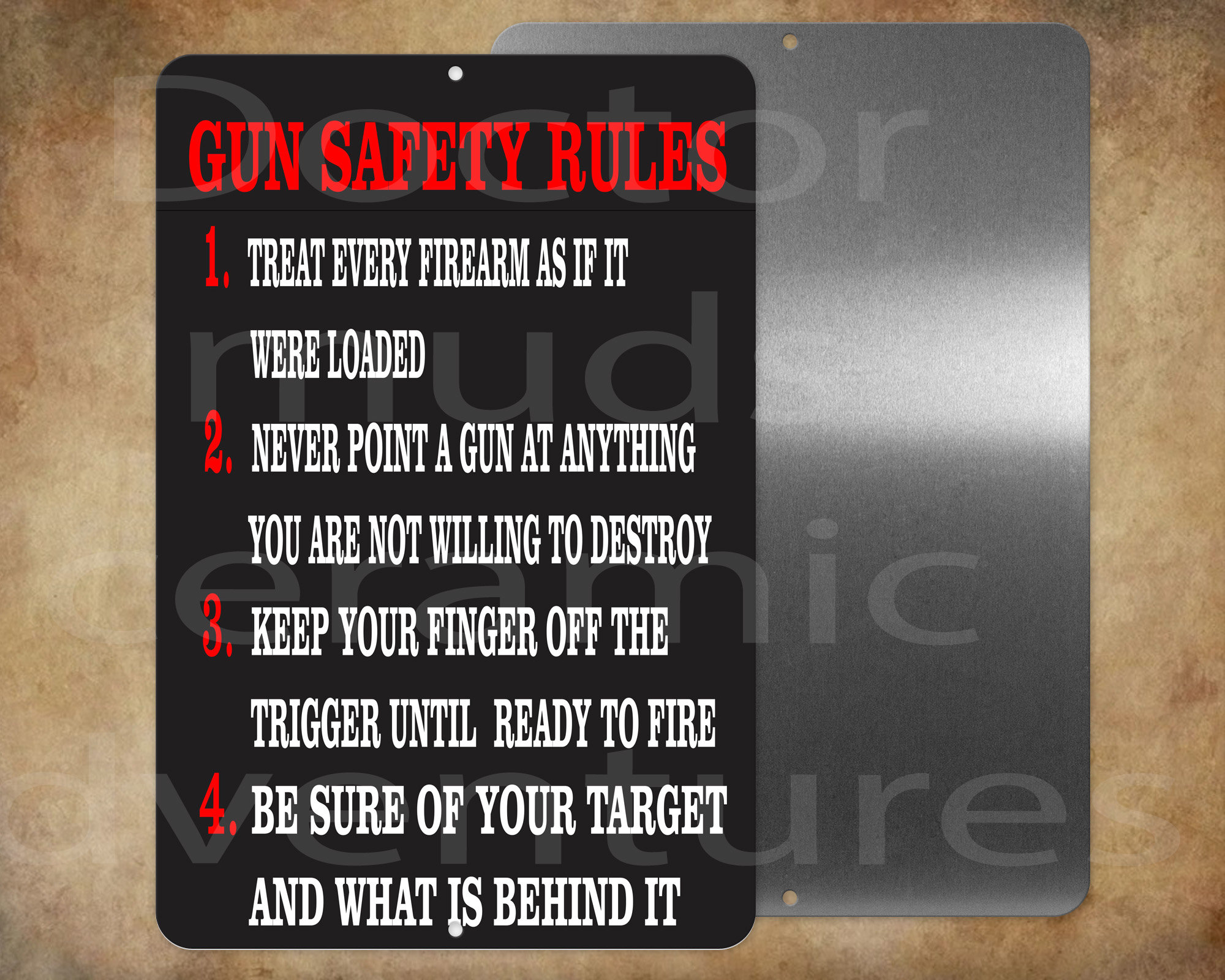
Basic Safety Rules – Always First
- 1.Always treat every firearm as if it is loaded.
- 2.Never point the muzzle at anything you are not willing to destroy.
- 3.Keep your finger straight and off the trigger until your sights are on target and you are ready to shoot.
- 4.Always wear eye and ear protection.
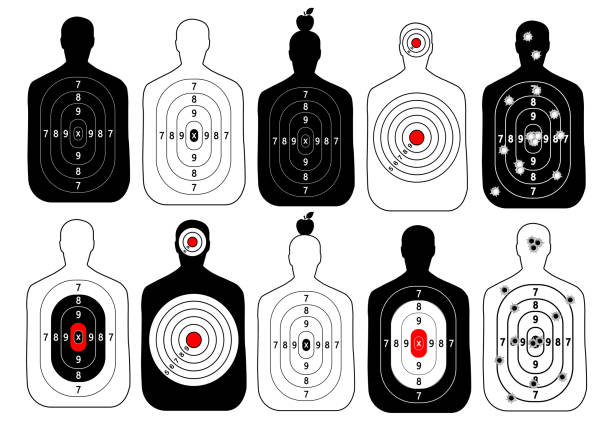
Essential Tips to Improve Your Accuracy
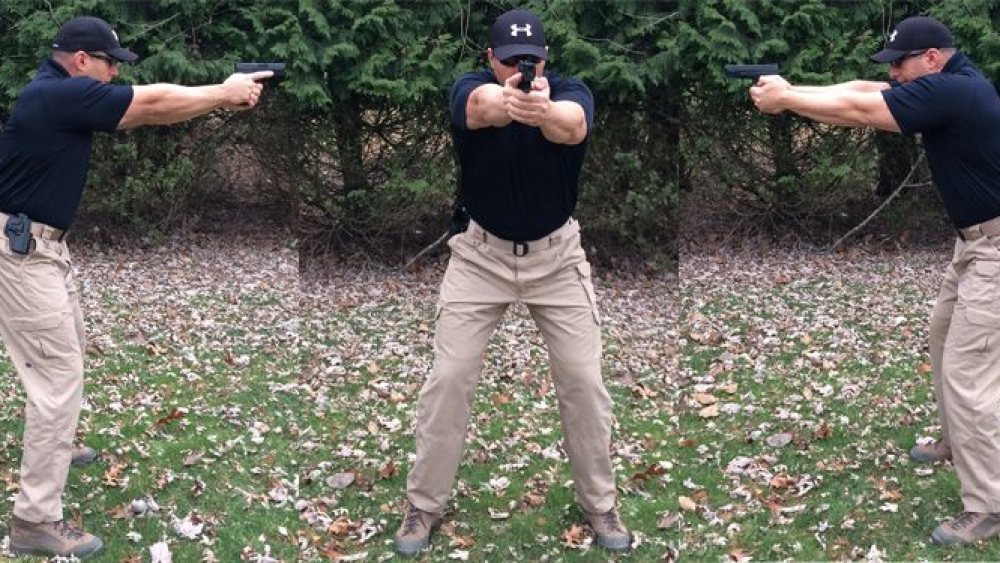
1. Perfect Your Shooting Stance
Feet shoulder-width apart, knees slightly bent, weight forward, body relaxed yet stable. A good stance is the foundation of every accurate shot.

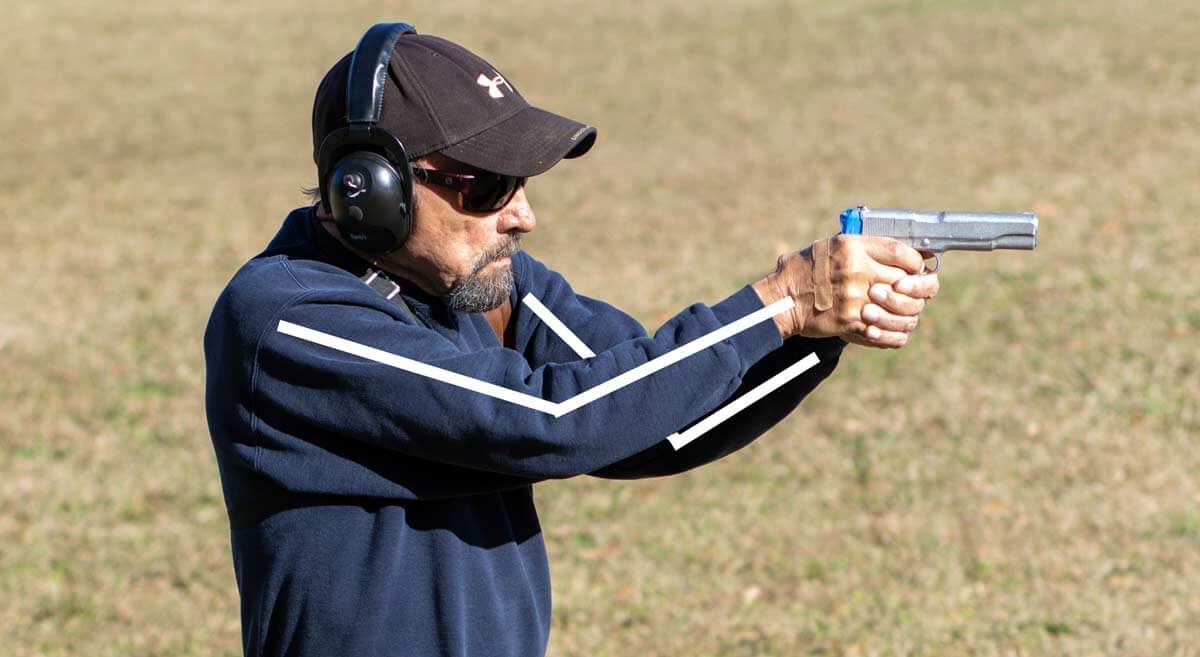
2. Master a Consistent Grip
Firm but not white-knuckled. High, tight grip on pistols; relaxed yet controlled on rifles and air guns.
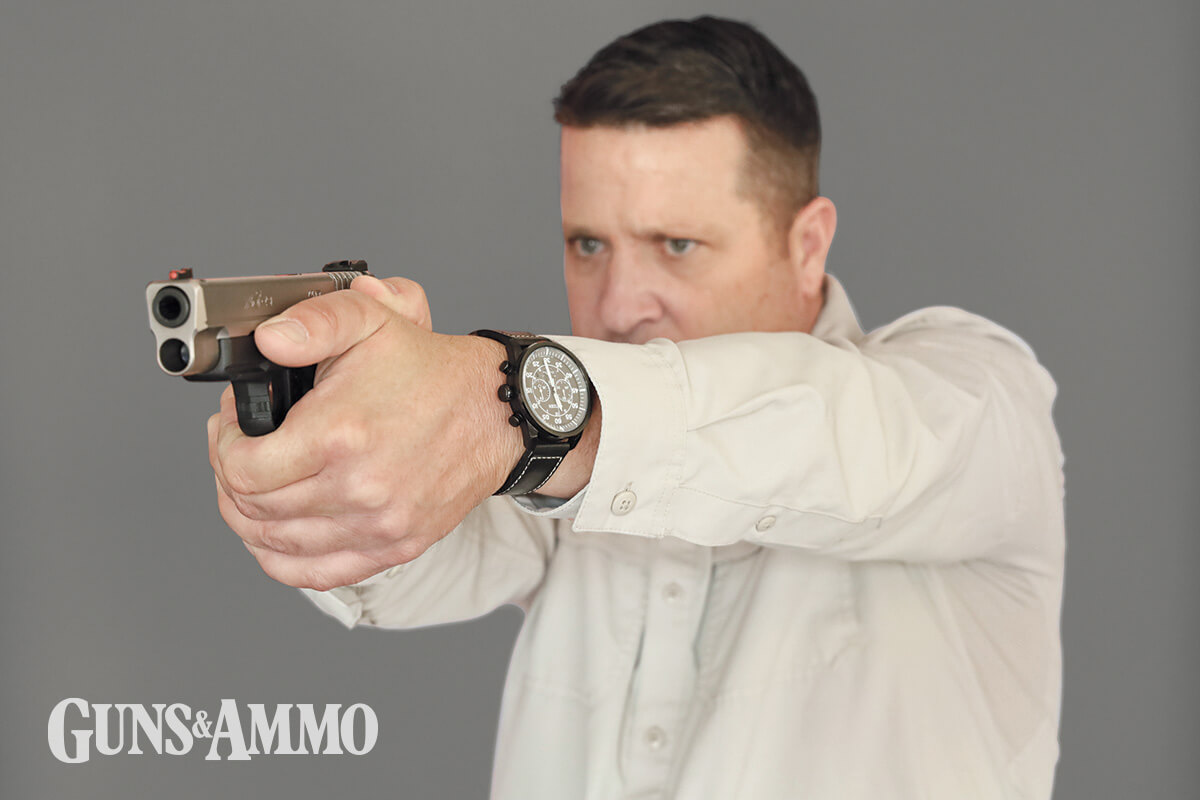
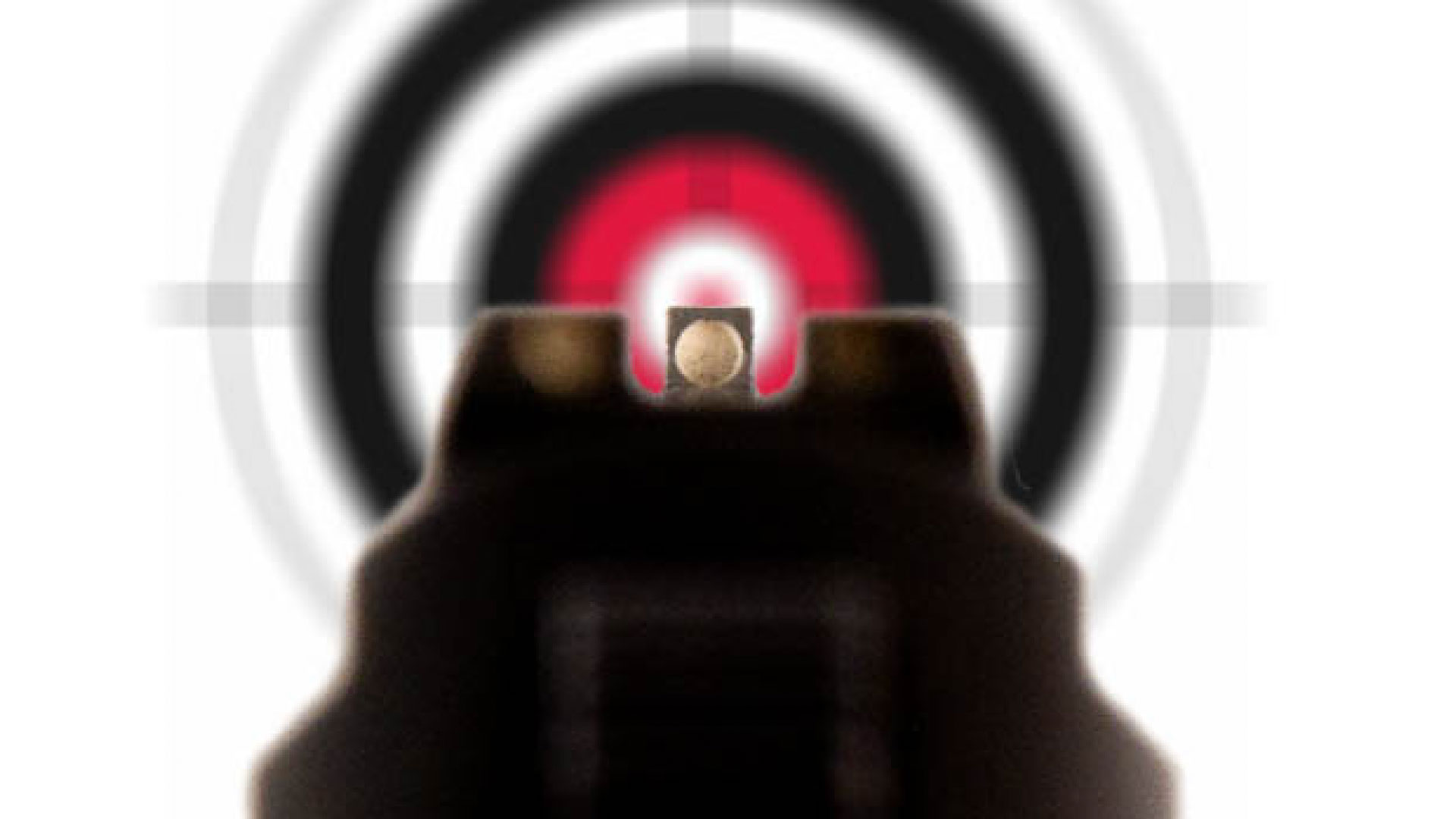
3. Achieve Perfect Sight Alignment
Front sight centered and level in the rear notch — focus on the front sight, target slightly blurred.


4. Control Your Breathing
Deep breath → slow exhale → natural pause → press trigger smoothly during respiratory pause.

Common Mistakes Beginners Make (and How to Fix Them)
1. Gripping the gun too tightly
This causes hand tremors and pulls shots low/left (for right-handed shooters).Fix: Grip at about 60–70% strength — firm enough to control recoil, but relaxed enough that your hand doesn’t shake.
2. Anticipating recoil (flinching)
Your brain tries to "brace" before the shot, pushing the muzzle down.Fix: Focus only on pressing the trigger smoothly — ignore the shot itself. Dry-fire practice helps rewire this habit.
3. Rushing the shot
Trying to shoot before sights are perfectly aligned leads to scattered groups.Fix: Slow down. Take as long as needed to get perfect sight picture and steady hold before pressing the trigger.
4. Not following through
Moving immediately after the shot breaks consistency.Fix: Hold your position, sight picture, and trigger press for 1–2 seconds after the shot breaks.
How to Practice Effectively at Home (Dry-Fire Training)
Dry-fire (practicing without live ammunition) is one of the fastest ways to build muscle memory safely and cheaply.
- Always follow the four safety rules — triple-check the gun is unloaded.
- Use a safe backstop (even for air guns or laser trainers).
- Practice 10–15 minutes daily: stance, grip, sight alignment, smooth trigger press, follow-through.
- Use a coin or empty casing balanced on the slide/barrel — if it falls, your trigger pull jerked.
- Record yourself with your phone to check stance and movement.
- For pistols: practice drawing from holster (unloaded) if you train for self-defense.
Many top competitive shooters do 70–80% of their training dry — live fire is just confirmation.
Recommended Practice Frequency & Progression
Beginner (0–3 months)
- 3–4 sessions/week
- 60% dry-fire, 40% live
- Focus: stance, grip, breathing
- 50–100 rounds per live session
Intermediate (3–12 months)
- 4–5 sessions/week
- 40% dry, 60% live
- Add trigger control & follow-through drills
- 100–200 rounds per session
Goal: Consistency
- Shoot the same drill 5–10 times
- Track group size every session
- Only increase distance/pace after groups shrink
- Rest if groups get worse — fatigue kills accuracy
Final Thoughts
Target shooting is a journey of patience, discipline and small consistent improvements. Focus on safety first, master the fundamentals (stance, grip, sights, breathing, trigger), and practice deliberately — both dry and live.
Most beginners see noticeable improvement in group size within 4–8 weeks of regular practice. Stay consistent, analyze your targets after every session, and enjoy the process. Precision shooting rewards those who show up and do the work.